O que fazer em São Miguel: guia completo para a ilha verde dos Açores
São Miguel é a ilha mais diversa dos Açores: lagoas vulcânicas de azul e verde impossíveis, caldeiras a borbulhar, jardins subtropicais e praias de areia negra — tudo em menos de 65 km. Este guia cobre tudo o que precisas de saber para tirar o máximo partido de uma visita, seja em três dias ou numa semana inteira.
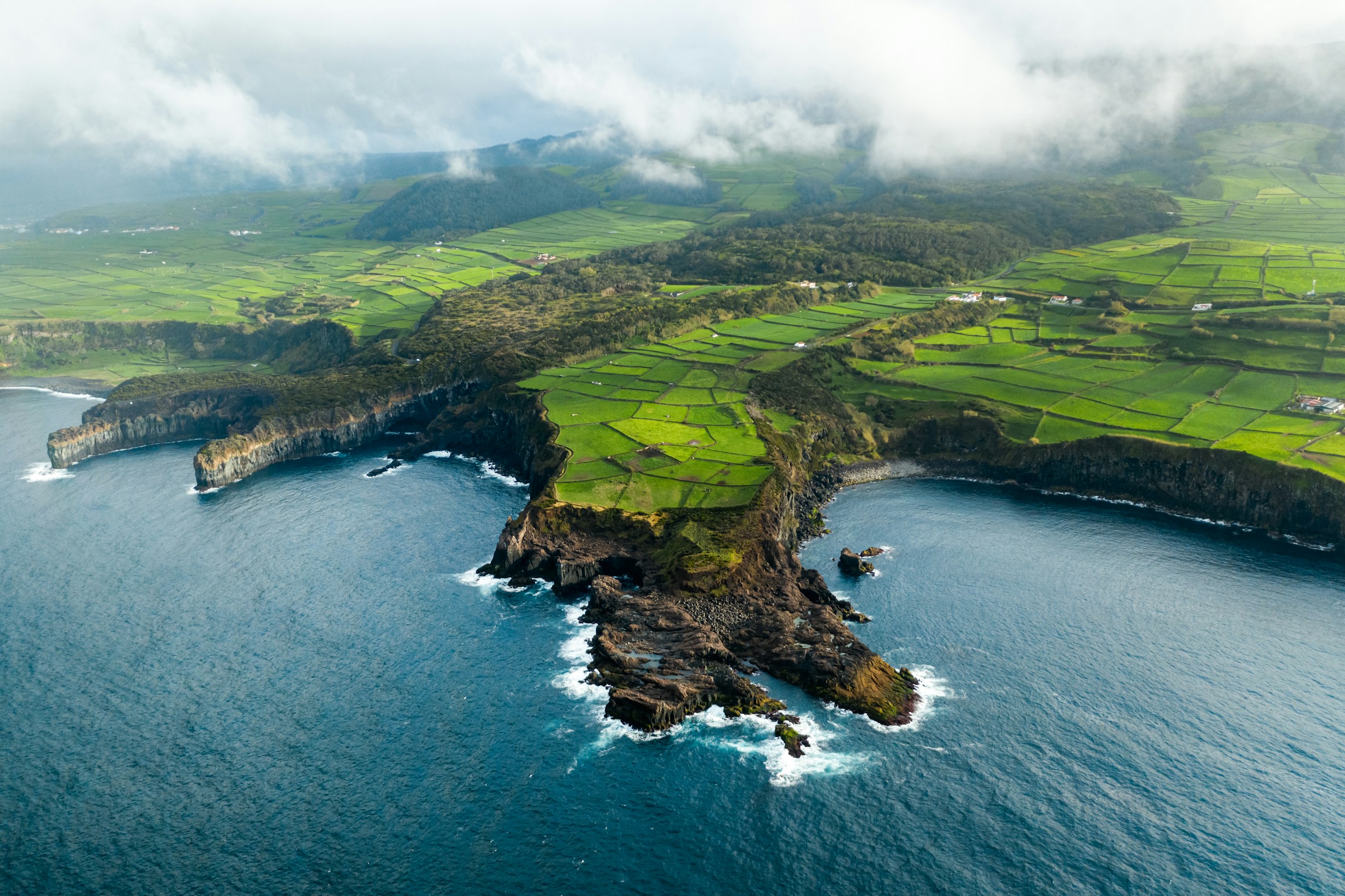
Se há uma ilha em Portugal capaz de roubar o fôlego logo na primeira curva da estrada, essa ilha chama-se São Miguel. A maior das nove ilhas açorianas é também uma das mais diversas: em menos de 65 km de comprimento encontras lagoas vulcânicas de um azul e verde impossíveis, caldeiras a borbulhar, jardins botânicos subtropicais, praias de areia negra e uma capital cheia de vida. Não admira que seja conhecida como "a ilha verde". Este guia cobre tudo o que precisas de saber para tirar o máximo partido de uma visita a São Miguel, seja em três dias ou numa semana inteira.
Ponta Delgada: a capital que vale a visita
A maioria dos visitantes aterra em Ponta Delgada e é aqui que a aventura começa. O centro histórico é compacto e muito fácil de explorar a pé. Começa pelas icónicas Portas da Cidade, o arco barroco do século XVIII que é o ex-líbris da capital, e segue pela Praça do Município com os seus edifícios de pedra negra vulcânica — um contraste elegante com as paredes caiadas de branco.
A Igreja Matriz de São Sebastião, com a sua fachada do século XV, é uma das mais antigas dos Açores e merece uma visita rápida ao interior. Logo ao lado encontras o Mercado da Graça (1848), perfeito para um pequeno-almoço açoriano com pão sovado, queijo de São Jorge e manteiga de Pico.
À tarde, reserva tempo para o Jardim António Borges — um jardim romântico do século XIX com tuias gigantes, fetos arbóreos e uma atmosfera quase mágica que poucos turistas conhecem. Se quiseres ir às compras, a Rua Marquês da Praia e Monforte concentra as melhores lojas de produtos regionais, desde licores de maracujá a bordados e cerâmica.
Dica: Aproveita para fazer um tour pelas cervejarias e tabernas do Bairro da Matriz ao final do dia — a animação começa cedo e o ambiente é muito autêntico.
Lagoa das Sete Cidades: a fotografia mais famosa dos Açores
A cerca de 25 km a noroeste de Ponta Delgada fica aquela que é, provavelmente, a paisagem mais fotografada dos Açores: a Lagoa das Sete Cidades. Trata-se de uma caldeira vulcânica que abriga duas lagoas — a Lagoa Azul e a Lagoa Verde — separadas por uma ponte de pedra. A diferença de cor entre as duas é real e deve-se a variações na luz e nos ângulos de incidência solar.
O miradouro da Vista do Rei é o ponto obrigatório: uma panorâmica de 180 graus sobre toda a caldeira que vai deixar-te sem palavras. Mas não fiques só por aqui — a Boca do Inferno e a Grota do Inferno oferecem ângulos ainda mais dramáticos e muito menos visitados.
Se tiveres pernas para caminhar, o trilho PR3-SMI desce desde a Vista do Rei até à aldeia das Sete Cidades em 7,7 km (cerca de 2 horas). É um percurso de dificuldade baixa e completamente compensador. Já lá em baixo, podes alugar um caiaque ou uma prancha de stand-up paddle e explorar as lagoas de outra perspectiva.
Dica: O nevoeiro é muito comum nesta zona, especialmente de manhã. Se chegares e não vires nada, não desesperes — espera uma hora ou sobe ao miradouro no final da tarde. A luz do pôr do sol sobre a caldeira é espetacular.
Lagoa do Fogo: a mais selvagem das lagoas
Se as Sete Cidades são a lagoa famosa, a Lagoa do Fogo é a lagoa selvagem. Escondida no interior da ilha, a 580 metros de altitude, esta reserva natural preenche a cratera do vulcão de Água de Pau e tem umas águas de um azul intenso que fazem lembrar um sonho. A vegetação em redor é densa e quase intocada, com espécies endémicas dos Açores que não encontras em mais lado nenhum.
Atenção: durante o verão (de meados de junho a final de setembro), o acesso à lagoa é feito exclusivamente de autocarro shuttle entre as 9h00 e as 19h00 — o estacionamento de carros está proibido para proteger o ecossistema. O bilhete custa 5 euros por pessoa.
O trilho PRC02-SMI é uma caminhada de 11 km que leva da aldeia da Praia até à margem da lagoa. É moderadamente exigente mas extraordinariamente belo — conta com cerca de 4 a 5 horas de caminhada. Se preferires algo mais curto, o miradouro junto à estrada já oferece uma vista fantástica.
Dica: O tempo muda muito rapidamente junto à lagoa. Leva sempre uma capa de chuva, mesmo que o dia comece com sol.
Furnas: onde a terra cozinha o jantar
O vale das Furnas é, para muita gente, o ponto alto de uma visita a São Miguel. Aqui a terra ferve a sério: as caldeiras são fumarolas e nascentes de água quente que borbulham a temperaturas entre os 66 °C e os 93 °C, soltando vapores sulfurosos numa paisagem que parece saída de outro planeta.
Mas o verdadeiro espetáculo acontece à hora de almoço: o Cozido das Furnas é um guisado de carne, legumes e enchidos que cozinha enterrado no solo vulcânico durante 6 a 7 horas, absorvendo o calor geotérmico da terra. Por volta do meio-dia, os restaurantes da aldeia vão ao bordo da Lagoa desenterrar as suas panelas — um ritual que não podes perder. O sabor é único, fumado e rico, completamente diferente de qualquer cozido que tenhas provado antes.
Além das caldeiras, as Furnas têm o Parque Terra Nostra — um jardim botânico de 12 hectares com mais de 600 espécies de plantas tropicais e subtropicais, túneis de bambu gigantes e a piscina termal mais famosa dos Açores: uma bacia de água ferruginosa de cor laranja, aquecida naturalmente a 37 °C. Mergulhar aqui ao final do dia é uma experiência que não tem preço.
Se preferires algo mais acessível, a Poça da Dona Beija é o complexo termal mais popular da ilha, com cinco piscinas exteriores de água quente rodeadas de vegetação tropical, abertas até às 23h00. Ideal para um banho noturno sob as estrelas.
Caldeira Velha: o segredo mais bem guardado
A 30 minutos de carro de Ponta Delgada, a Caldeira Velha é uma reserva natural com cascatas de água quente que caem sobre pozas naturais onde podes tomar banho. A água tem uma cor esverdeada e chega aos 40 °C — ideal depois de uma caminhada. A entrada custa alguns euros mas vale cada cêntimo. Vai cedo de manhã para evitar filas.
Chá Gorreana: as únicas plantações de chá da Europa
No nordeste da ilha, a Gorreana é um nome que todo o amante de chá deve conhecer: é a mais antiga plantação de chá da Europa e uma das poucas que ainda produz chá fora da Ásia. A visita é gratuita e podes ver todo o processo de produção, desde o campo até à embalagem, numa fábrica que funciona desde 1883. No final, há uma prova de chá com vistas de tirar o fôlego para o mar. É uma paragem obrigatória quando explorares o norte da ilha.
Ilhéu de Vila Franca do Campo: a piscina natural mais bonita de Portugal
A cerca de 1 km da costa sul, o Ilhéu de Vila Franca do Campo é um rim vulcânico submerso que emergiu do oceano há milhares de anos e que hoje forma uma das piscinas naturais mais espetaculares do mundo. Para lá chegar precisas de apanhar um barco a partir da marina de Vila Franca do Campo (viagem de 10 minutos) e os lugares são limitados — reserva com antecedência no verão.
O interior do ilhéu é uma lagoa de águas cristalinas com fundo de areia branca, rodeada de paredes de rocha vulcânica. Mergulha, snorkela, ou simplesmente flutua — é impossível não ficar apaixonado.
Avistamento de cetáceos: baleias e golfinhos
São Miguel é um dos melhores lugares do mundo para avistar golfinhos e baleias em liberdade, graças à sua localização numa zona de confluência de correntes atlânticas. As saídas partem do porto de Ponta Delgada e duram em média 3 horas.
São Miguel tem uma história profunda de ligação às baleias — o baleeiro foi durante séculos uma das principais atividades económicas da ilha — e hoje essa cultura transformou-se numa indústria de ecoturismo responsável. A melhor época é a primavera e o verão, mas golfinhos-comuns e roazes são avistados durante todo o ano. Cachalotes, baleias-de-bossas e até orcas aparecem com regularidade na primavera.
Praias de São Miguel
São Miguel não é uma ilha de praias de areia branca — aqui a areia é negra ou cinzenta, de origem vulcânica. Mas isso não torna as praias menos bonitas; pelo contrário, o contraste entre a areia escura, o verde intenso da vegetação e o azul do Atlântico cria uma paleta de cores única.
A Praia do Milheiral (perto de Lagoa) é uma das mais populares. A Praia de Mosteiros, no extremo oeste da ilha, é considerada uma das mais belas, com as suas poças naturais entre as rochas e um pôr do sol épico sobre as ilhotas. A Praia de Santa Bárbara é a favorita dos surfistas, com ondas consistentes durante todo o ano.
Gastronomia: come como um açoriano
A cozinha açoriana é generosa, honesta e cheia de sabor. Além do já famoso Cozido das Furnas, há outros pratos que não podes perder.
O bife à regional é uma bifana de vaca com molho de vinho e malagueta que o povo micaelense come ao pequeno-almoço, almoço e jantar sem hesitar. A alcatra do Pico e a caldeirada de peixe fresco são imperdíveis se gostares de marisco e peixes do Atlântico. E as lapas grelhadas com manteiga e alho são um rito de passagem para qualquer visitante.
Nas sobremesas, experimenta os Dona Amélia de Angra do Heroísmo, os biscoitos de mel e a queijada da vila. Para beber, o vinho de cheiro de Pico e a cerveja Especial dos Açores são os eleitos locais.
Como se deslocar em São Miguel
A ilha tem transportes públicos (autocarro), mas para explorar com liberdade o ideal é alugar um carro. As estradas são em geral boas, embora algumas estradas de montanha sejam estreitas e sinuosas — conduz devagar e aprecia a paisagem. Há também muitas operadoras de tours que organizam excursões de dia inteiro às principais atrações.
Quando visitar
A melhor época é entre maio e setembro, com temperaturas entre os 20 °C e os 26 °C e dias longos. Maio é particularmente especial: a ilha enche-se de hortênsias azuis e rosas que bordejam todas as estradas, e decorre a Festa do Senhor Santo Cristo dos Milagres em Ponta Delgada — uma das maiores festas religiosas de Portugal.
O verão é mais movimentado e quente. O outono e o inverno são mais húmidos mas a ilha nunca perde a sua beleza, e os preços são significativamente mais baixos.
Dicas práticas
- Moeda: Euro. Cartões aceites na maioria dos lugares.
- Fuso horário: UTC-1 (uma hora atrás do horário de Lisboa).
- Língua: Português. Inglês falado na maioria dos estabelecimentos turísticos.
- Condução: Trânsito pela direita. Velocidade máxima em estrada 90 km/h.
- Seguro de viagem: Recomendado, especialmente para atividades ao ar livre.
- Voos: TAP, Ryanair e SATA operam voos diretos de Lisboa e do Porto para Ponta Delgada.
São Miguel é daquelas ilhas que ficam connosco muito depois de a deixarmos. A combinação de natureza selvagem, cultura açoriana genuína e uma hospitalidade que não precisa de ser encenada torna-a num dos destinos mais especiais de todo o Atlântico. Vai, mas avisa-te: é difícil não querer voltar.